What are the best plant-based protein sources for a vegetarian desk worker?
Soy foods first, because tofu, tempeh and soya chunks carry the most protein per serving. Then pulses, at three servings a day. Then dairy if you eat it, nuts and seeds, and seitan. The Academy of Nutrition and Dietetics considers a well-planned vegetarian diet nutritionally adequate; the planning that matters is protein spread across the day and a B12 source.
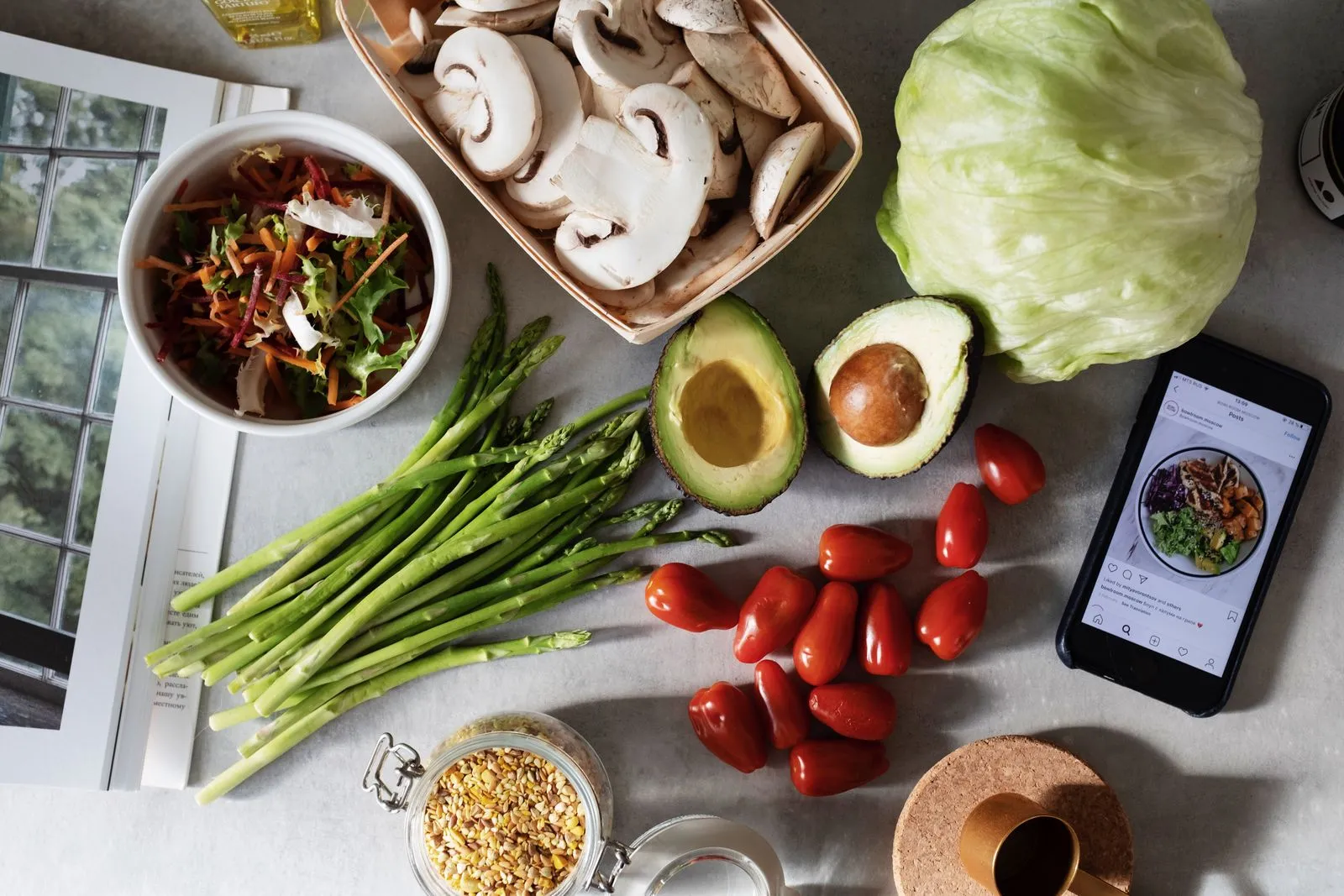
The protein question follows every vegetarian around, usually asked by someone who has never counted their own. It deserves a proper answer rather than a defensive one, because the honest version is more useful than either the panic or the dismissal.
The honest version is this. Getting enough protein on a vegetarian diet is straightforward and does not require supplements or planning software. It does require you to notice, because a vegetarian diet assembled without thinking tends to land lower than one built around meat.
Chapter 1 established the pulse as the base of a filling lunch. This chapter widens that out to the full set of sources, with numbers, and covers the two nutrients that do need planning.
What the professional bodies say#
The Academy of Nutrition and Dietetics is the largest organisation of food and nutrition professionals in the United States, and its position papers are the closest thing the field has to a settled institutional view. In 2016 Vesanto Melina, Winston Craig and Susan Levin published its position on vegetarian diets.
Appropriately planned vegetarian, including vegan, diets are healthful, nutritionally adequate, and may provide health benefits for the prevention and treatment of certain diseases.
Note the qualifier. "Appropriately planned" is doing real work in that sentence, and it is the reason this chapter exists rather than a reassuring paragraph.
Why it works. The position covers every life stage, including pregnancy, childhood and athletes, which tells you the ceiling is not the issue. The floor is: a vegetarian diet that happens by default, built on bread, cheese and pasta, is where the gaps appear.
How you apply it at a desk. Treat "planned" as one decision per meal rather than a spreadsheet. Name the protein in each meal before you eat it. If you cannot, that meal is one of the unplanned ones, and three of those a day is how a diet quietly drifts.
The three rules that replace a tracking app#
Virginia Messina, a registered dietitian who has written about plant-based nutrition for three decades as The Vegan RD, reduces the whole thing to three requirements: eat enough calories, eat a variety of foods, and include at least three servings of legumes a day.
She is equally direct about what you can stop worrying about. The idea that plant proteins must be combined within a single meal, so that rice and beans have to arrive on the same plate, was set aside by protein researchers decades ago. Every plant food that provides protein contains all the essential amino acids; individual foods are lower in some relative to need, and the body draws on its own pool across the day.
Why it works. Legumes are the lever because they are the highest-protein plant food most people will eat in quantity, and because their amino acid profile complements grains. Three servings across a day quietly solves both the total and the spread.
How you apply it at a desk. Three servings is smaller than it sounds: a scoop of dal at breakfast or lunch, hummus with an afternoon snack, and a bean or lentil component at dinner. It is one addition per meal, not a new cuisine.
The muscle question, answered by someone who studies it#
Stuart Phillips is a professor of kinesiology at McMaster University in Canada and one of the most cited researchers on protein and skeletal muscle. His view on plant protein has shifted over his career, and it has shifted toward reassurance.
The concern was always leucine, an amino acid that acts as a trigger for muscle protein synthesis and is less concentrated in plant sources. His position now is that the gap between plant and animal protein is considerably smaller than the debate assumes, and that a modest increase in the amount of plant protein eaten brings the leucine content up to comparable levels. His laboratory has also shown that plant protein with added leucine performs better than plant protein alone, which is the mechanism stated plainly.
Why it works. Quality differences between protein sources are real and they are differences of degree. Eating somewhat more total protein, from a mix of sources rather than one, closes the gap without any need for a powder.
How you apply it at a desk. If you sit all day and want to hold on to muscle, aim slightly higher than the minimum and spread it out. Three meals each carrying a real protein component beats one large protein dinner, and soy foods do the most work per serving.
The sources, ranked by what they deliver#
Approximate protein per 100 grams as you would eat it, which is a more useful comparison than dry weights that flatter some foods enormously.
Soy foods, 15 to 20 grams. Firm tofu around 15 to 17, tempeh around 19. Soya chunks and textured soya are exceptional by dry weight and still strong once rehydrated. Soy is the one plant protein that is close to complete on its own, and it is the highest-value thing on this list for a desk worker.
Seitan, around 25 grams. The highest protein of any plant food by a distance, because it is concentrated wheat gluten. Obviously unsuitable if you avoid gluten, and it is worth pairing with a pulse since it is low in lysine.
Dairy, if you eat it. Paneer around 18 grams, Greek yoghurt around 9. Paneer is high in protein and also high in fat, so it is a component rather than a base. Greek yoghurt and skyr are the most protein-dense dairy per calorie and the easiest to add to something you were already eating.
Pulses, around 8 to 9 grams cooked. Lentils, chickpeas, rajma, black beans, black-eyed peas. Lower per 100 grams than soy, but you eat them in larger volume and they bring the fibre that Chapter 1 is built on. Three servings a day is the target.
Nuts and seeds, 19 to 26 grams. Peanuts around 26, pumpkin seeds around 19 to 30. High per 100 grams but eaten in handfuls, so treat them as a useful top-up and a source of fat rather than as your protein base.
Grains, 4 to 5 grams cooked. Quinoa around 4, wholegrains generally similar. Small numbers, but you eat grains at volume every day, so they contribute more to your daily total than the per-serving figure suggests.
The practical reading: build around soy and pulses, use dairy and nuts to top up, and let grains contribute in the background.
The nutrient that is not optional#
Protein is the question people ask about. B12 is the one that matters more, and it is where a vegetarian diet needs a decision rather than a shrug.
Vitamin B12 is not reliably present in plant foods. Vegetarians who eat dairy get some; vegans get essentially none without a supplement or fortified food. The scale of the problem shows up clearly in India, where vegetarian diets are common. Research published in the British Journal of Nutrition on identifying B12 deficiency in vegetarian Indians reported deficiency in around 70 percent of the vegetarian population studied, against a much lower rate among non-vegetarians.
Why it works. B12 deficiency develops slowly, over years, because the liver holds a store. That is why it is easy to ignore and why the eventual symptoms, which include fatigue and nerve problems, are easy to attribute to a hard year at work instead.
How you apply it at a desk. Take a B12 supplement or eat reliably fortified foods, and ask for a blood test if you have been vegetarian or vegan for years and have never had one. This is a solved problem that costs a few pounds a year, and it is the single most important thing in this chapter.
Iron and zinc deserve a smaller mention. Plant iron is absorbed less readily than iron from meat, and vitamin C markedly improves that absorption, which is a decent argument for lemon over dal or tomatoes with beans. Tea and coffee alongside a meal work in the other direction, so put the cup half an hour either side rather than on the table.
Putting it into a day#
One worked day, using ordinary food, hitting protein without anyone counting anything.
- Breakfast: Greek yoghurt with fruit, nuts and seeds, or two idlis with sambar, or porridge made with milk or soya milk plus peanut butter. Roughly 15 to 20 grams, and this is the meal most often skipped for protein.
- Lunch: the four-part structure from Chapter 1, with a pulse as the base. A chickpea and vegetable bowl with brown rice and olive oil, or dal, rice, sabzi and a tempering. Roughly 20 to 25 grams.
- Afternoon: hummus with vegetables, roasted chana, a handful of peanuts, or a glass of milk or fortified soya milk. Roughly 8 to 12 grams, and this is legume serving number two or three.
- Dinner: a soy component if you can, since it is the strongest source available. Tofu or tempeh stir-fried with vegetables and noodles, soya chunks in a curry, or paneer with a dal alongside rather than instead of it. Roughly 25 to 30 grams.
- And a B12 source, daily or weekly depending on the dose. A supplement, or fortified foods you eat reliably rather than occasionally.
That is comfortably in the range a desk worker needs, from four ordinary meals, with no powder and no arithmetic.
What trips people up#
Cheese as the default protein. It is the easiest vegetarian protein to reach for and one of the least efficient, because most of what you get is fat. Useful as a component, poor as a foundation.
Loading it all into dinner. A vegetarian breakfast is very often near-zero protein: toast, cereal, fruit, coffee. Spreading protein across meals matters more for someone sitting all day than the daily total does, and breakfast is where the easy gain is.
Buying protein powder before fixing meals. A powder is a convenient way to add twenty grams and a poor way to fix a diet that is short on legumes. Get three legume servings a day happening first, then decide whether you still need it.
Assuming vegetarian means B12 is fine. Dairy contributes some, and in practice many long-term vegetarians still test low. This is the one item on the list worth a blood test rather than an assumption.
If you are pregnant or breastfeeding, raising a vegetarian or vegan child, are anaemic, or have been vegetarian for years without ever testing B12, iron or vitamin D, get proper individual advice from a doctor or registered dietitian rather than working from a general article.
Common questions
What is the highest protein vegetarian food?
Seitan, at around 25 grams per 100 grams, because it is concentrated wheat gluten. For most people soy foods are the more useful answer: firm tofu at roughly 15 to 17 grams and tempeh at around 19, with a more complete amino acid profile and no gluten.
Do vegetarians need to combine proteins at every meal?
No. The food-combining idea was set aside by protein researchers decades ago. Every plant food that provides protein contains all the essential amino acids in differing proportions, and the body draws on its own pool across the day. Variety across a day is what matters.
Can you build muscle on vegetarian protein?
Yes. Stuart Phillips at McMaster, one of the most cited researchers on protein and muscle, holds that the gap between plant and animal protein is much smaller than the debate suggests and that a modest increase in plant protein brings leucine content to comparable levels. Eat somewhat more, from a mix of sources, and spread it across meals.
Do vegetarians need a B12 supplement?
Vegans certainly do. Vegetarians who eat dairy get some but often not enough: research in the British Journal of Nutrition on vegetarian Indians found deficiency in around 70 percent of those studied. A supplement or reliably fortified foods costs very little, and a blood test is worth asking for if you have never had one.
How many servings of legumes should I eat a day?
Three, following the guidance of dietitian Virginia Messina alongside eating enough calories and enough variety. In practice that is a scoop of dal, some hummus or roasted chana as a snack, and a bean or lentil component at another meal.
Tools that make this stick
Where an expert named a specific tool, that is noted. The rest are practical options, and at least one of them is always free.
- The Vegan RDFree
Virginia Messina's site, covering plant-based nutrition without advocacy overriding the evidence.
Most vegetarian nutrition content online is either fearful or evangelical. This is a registered dietitian who will tell you plainly which concerns are real, which are settled, and which supplements are not negotiable.
Harvard T.H. Chan School of Public Health guidance on protein, including plant sources.
A neutral place to check the protein content of a food before you build meals around it, which matters here because per-serving figures and dry-weight figures differ enormously for things like soya chunks.
- A B12 supplementA few pounds or dollars a year
Cyanocobalamin or methylcobalamin, taken daily at a low dose or weekly at a higher one.
The one item in this chapter that a food-first approach does not reliably solve on a vegetarian diet. It costs a few pounds a year and prevents a deficiency that takes years to show and is unpleasant when it does.
- Open Food FactsFree and open source
A non-profit open food database with a barcode scanner app.
Useful for two things here: checking the actual protein per serving of a packaged vegetarian product, and confirming whether a plant milk or cereal is fortified with B12 rather than assuming it.
Your one move today
Add a protein to tomorrow's breakfast, because that is almost certainly where your day is lightest. A pot of Greek yoghurt, a spoon of peanut butter on the toast, or soya milk instead of the milk you were using. One change, roughly ten grams.
Next in this series
3What is a simple vegetarian meal-prep routine for a busy week?Chapter 3 turns all of this into a week: what to batch on a Sunday, what to leave until the day, and how to store it so nothing goes to waste or makes you ill.New chapters go up as they are written. If you would rather not have to remember to come back, the homepage lists every series in order, so you can pick up wherever you left off.
Sources
Every quote on this page was checked against its original source before publishing.
- Melina, Craig and Levin, 2016 - Position of the Academy of Nutrition and Dietetics: Vegetarian Diets, Journal of the Academy of Nutrition and Dietetics 116(12):1970-1980 View source
- Virginia Messina, MPH, RD - The Vegan RD, on protein requirements, legume servings and the complementary-protein myth View source
- Professor Stuart Phillips - Department of Kinesiology, McMaster University; research on protein quality, leucine and muscle protein synthesis View source
- Identification of vitamin B12 deficiency in vegetarian Indians - British Journal of Nutrition, reporting B12 deficiency in around 70 percent of the vegetarian population studied View source